Loading...
Serving Claremont, CA and surrounding areas. (909) 788-2719
GetItDone Claremont Concrete is a Concrete Contractor in Rancho Cucamonga, CA, handling foundation installation, driveway replacement, and concrete flatwork for homeowners throughout the city. We serve the Inland Empire and respond to all new requests within one business day.
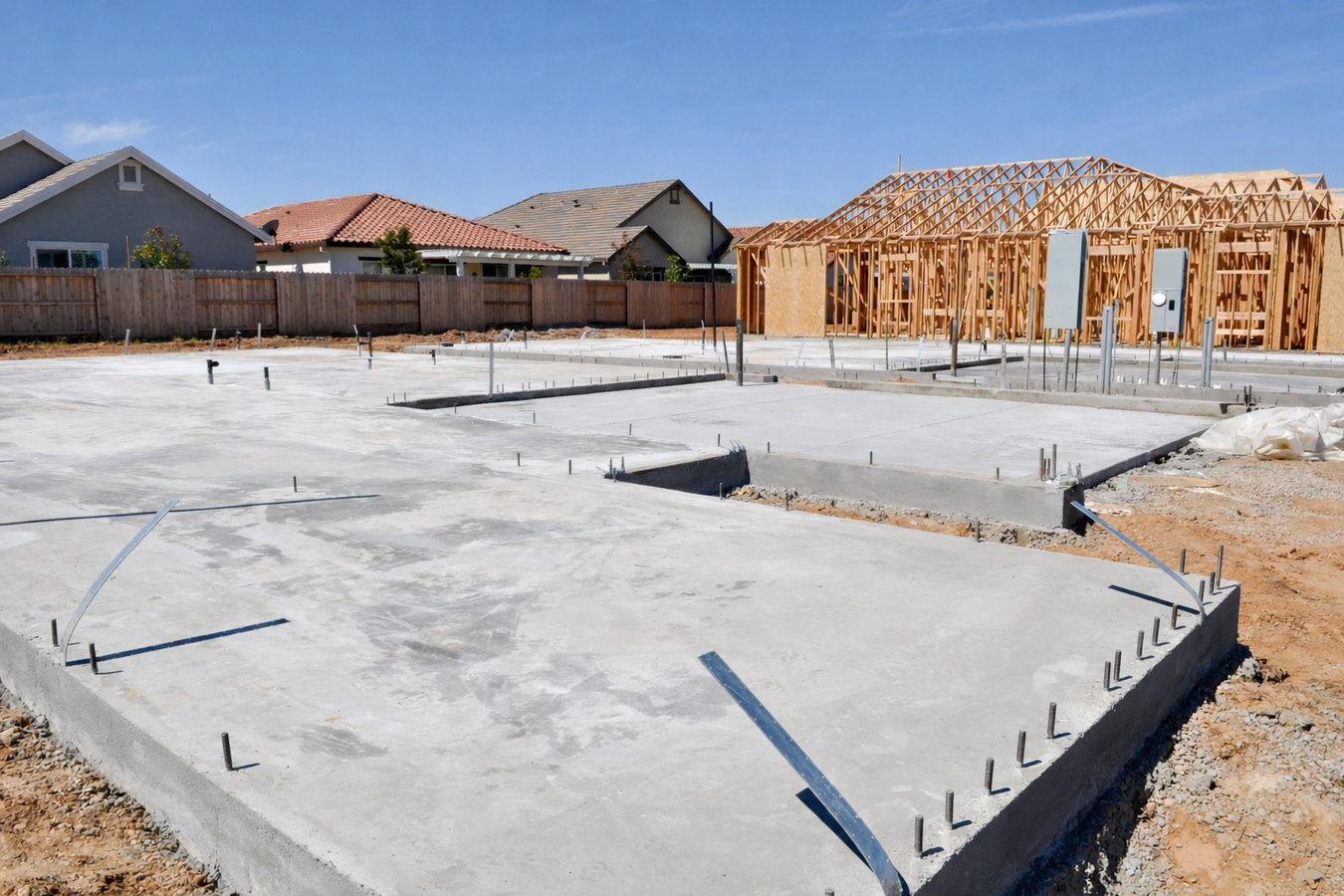
Rancho Cucamonga homeowners adding ADUs, detached garages, or room additions need foundations built to California Building Code on clay soils that require careful subgrade preparation to prevent future settling. Our foundation installation work includes soil assessment, proper compaction, reinforcement layout, and concrete formulated for the Inland Empire heat.
Most Rancho Cucamonga homes were built between the late 1970s and mid-1990s, and original driveways from that era are now 30 to 45 years old. Heavy daily use from two-car commuter households accelerates wear, and the clay soil movement common throughout the Inland Empire causes cracking and heaving that eventually needs more than patching.
With an average of nearly 290 sunny days per year, outdoor living space is genuinely usable in Rancho Cucamonga for most of the calendar. A properly poured concrete patio - built with the right slope for winter drainage and adequate thickness for the local soil - lasts decades with minimal upkeep.
The Alta Loma and Etiwanda neighborhoods in northern Rancho Cucamonga have larger lots with varied terrain and mature trees, and many of those properties use retaining walls to create flat usable yard space on sloped sites. Older walls from the original development era are approaching the end of their design life and showing signs of movement.
New slab foundations for additions and outbuildings in Rancho Cucamonga require proper compaction of the clay subgrade before any concrete is placed. Skipping that step is the most common reason new slabs crack within the first few years in this part of the Inland Empire.
Older Rancho Cucamonga neighborhoods in Alta Loma have mature trees whose roots work under sidewalk panels over time. When panels heave or crack and become a trip hazard, the city may require repair - we handle the work and pull the necessary permits from the city.
Rancho Cucamonga was built out quickly between the late 1970s and the mid-1990s, and a very large share of the city's homes are now 30 to 45 years old. That age range puts original concrete flatwork - driveways, patios, walkways, and garage slabs - squarely in the window where surface cracking, heaving from clay soil movement, and tree root intrusion have accumulated to the point where repair is no longer practical. The city's proximity to the San Gabriel Mountains also means it sits in a direct path for Santa Ana wind events, which arrive in fall and early winter and can gust hard enough to dislodge debris that chips and damages exposed concrete surfaces and weakens older fences and retaining walls.
The clay soils found throughout the Inland Empire are the most persistent challenge for concrete in Rancho Cucamonga. Every wet winter season causes the subgrade to expand, and every dry summer causes it to contract. That movement is gradual but relentless, and slabs poured without adequate compaction or reinforcement for local soil conditions show it clearly after a decade or two. Contractors who bring coastal or high-desert habits to Inland Empire projects often underestimate the subgrade preparation needed here - and their customers end up with cracked work within a few years of the pour.
Our crew works throughout Rancho Cucamonga regularly, and we understand the local conditions that affect concrete work here. We are familiar with the permit process at the City of Rancho Cucamonga Building and Safety Services and know the inspection requirements for flatwork, new foundations, and structural concrete within the city. The typical job here is a single-family home on a standard residential lot - concrete driveway, backyard patio, and a two-car garage with an original slab - and we know how these properties age under local conditions.
The city spans a wide elevation range, from the flatter tracts near the I-10 on the south end to the foothills neighborhoods of Alta Loma and Etiwanda in the north. Historic Route 66 runs through the city along Foothill Boulevard, and the Victoria Gardens area serves as the city's main commercial and gathering hub. Up in the northern neighborhoods below Cucamonga Peak, properties sit on larger lots with older trees and terrain that requires more planning around drainage during any concrete project. The difference between a job near Foothill Boulevard and one up in Alta Loma is real, and our site assessments account for it.
Rancho Cucamonga borders Upland, CA to the west, and we serve homeowners throughout both cities. Ontario is directly to the south, and we regularly take on projects on both sides of that border. These adjacent cities share the same soil conditions and climate, so our approach carries across city lines.
Call or fill out the contact form and we will get back to you within one business day. Most Rancho Cucamonga homeowners have a site visit on the calendar within a few days of reaching out.
We assess the site, evaluate drainage and soil conditions, and give you a written estimate itemizing every cost. There are no add-ons after you approve the scope - what you see is what the job costs.
If the project requires a City of Rancho Cucamonga building permit - most foundations, new slabs, and retaining walls do - we submit the application and schedule the required inspections. Work starts once all permits are in hand.
We complete the work to spec, ensure concrete is properly cured for the Inland Empire heat, and clean up the site fully. If a permit was pulled, final inspection is coordinated and closed out before we consider the job done.
We serve all of Rancho Cucamonga, CA - from the foothills of Alta Loma and Etiwanda down to the neighborhoods near the 10 Freeway. Response within one business day.
(909) 788-2719Rancho Cucamonga is one of the larger cities in San Bernardino County, with a population of around 177,000. The city was incorporated in 1977 and grew through master-planned subdivisions built mostly between the late 1970s and the mid-1990s. Most of the housing stock is single-family detached homes on standard residential lots - concrete driveways, stucco exteriors, attached two-car garages - and about 65 percent of those homes are owner-occupied. The city has three historically distinct communities within its borders: the older, larger-lot foothills neighborhoods of Alta Loma and Etiwanda to the north, and the newer planned tracts to the south. The northern neighborhoods below Cucamonga Peak have larger lots, mature trees, and homes built as early as the 1960s, making them among the oldest properties in the city.
Rancho Cucamonga is part of the Inland Empire and sits along both the I-10 and the I-15, making it a practical base for commuters throughout the greater Los Angeles region. Victoria Gardens, the city's large open-air shopping and entertainment center, serves as the main gathering point for residents from across the area. Historic Route 66 runs through the city along Foothill Boulevard, and the city actively celebrates that connection. Rancho Cucamonga borders Upland, CA to the west and Ontario to the south, and we serve homeowners in all three cities.
Reinforced slab foundations poured for long-term structural support.
Learn MoreCommercial parking lots designed for high-traffic durability.
Learn MoreCall us today or use the contact form and we will respond within one business day. Rancho Cucamonga homeowners get a free written estimate with no obligation.