Loading...
Serving Claremont, CA and surrounding areas. (909) 788-2719
Sunken slabs, uneven driveways, and sticking doors are fixable - without tearing out concrete or breaking the budget.
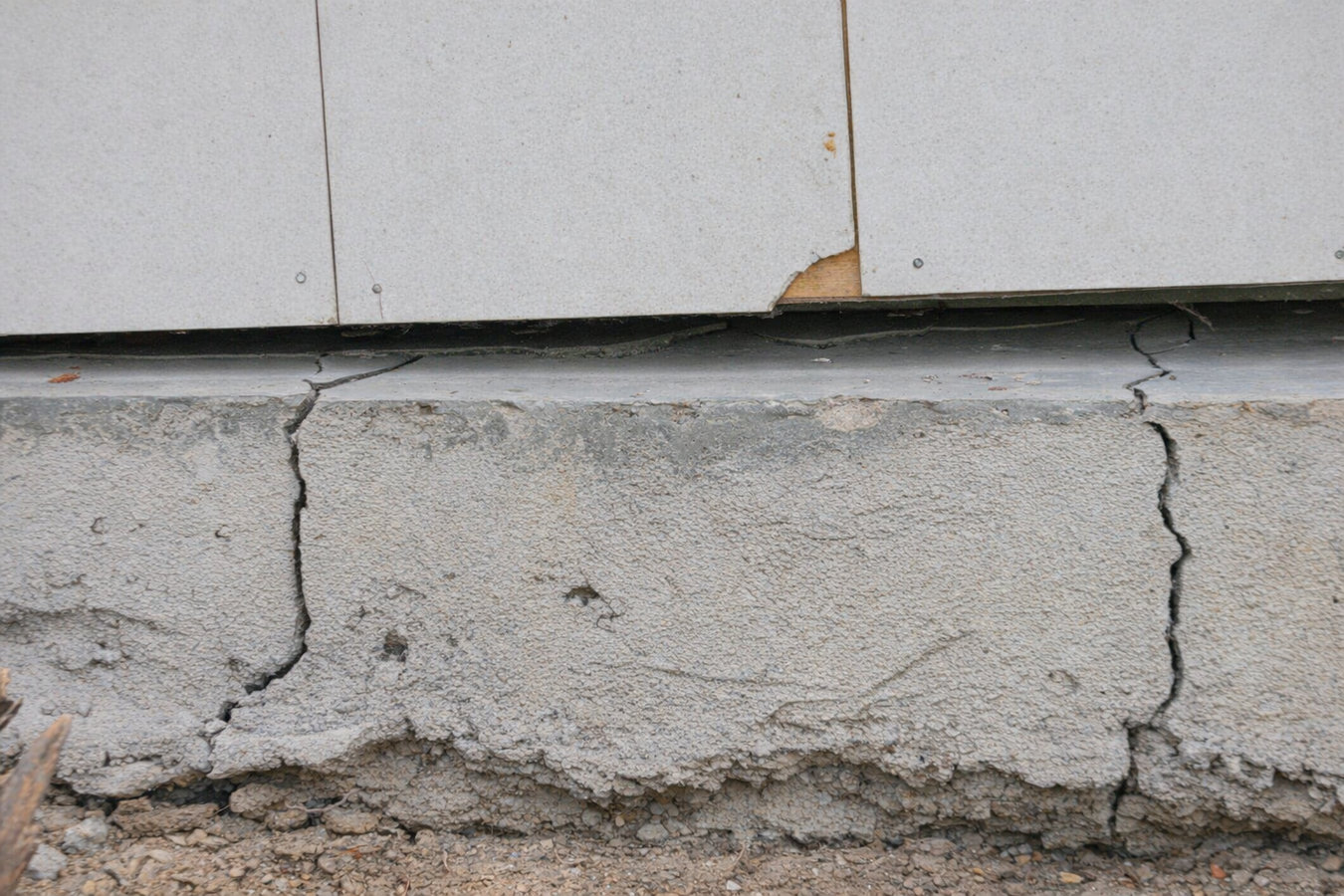
Foundation raising in Claremont pumps material beneath a sunken slab to lift it back to level - most residential jobs take one to two days with no demolition required.
Claremont sits on expansive clay soil that contracts in long dry summers and expands during winter rains. Over time, that movement creates voids beneath driveways, patios, and garage floors - and once the support is gone, the slab follows gravity. Foundation raising closes those voids and restores a level surface at a fraction of full replacement cost. If you are also considering a full new pour, our slab foundation building service covers ground-up work for additions and new structures.
When a foundation shifts, door and window frames shift with it. If a door that used to swing freely now drags on the floor or a window suddenly sticks, that is an early warning sign. In Claremont, this often shows up after a dry summer when the clay soil has contracted under the slab.
Diagonal cracks across a concrete slab - especially ones wider on one end than the other - mean one section has dropped lower than the adjacent section. These cracks tend to appear or widen after dry seasons in Claremont and may change slightly after winter rains. A crack you can fit a quarter into is worth having assessed.
A noticeable slope you feel more than see can indicate the concrete slab under your home has settled unevenly. This is especially common in Claremont homes built from the 1950s through the 1970s, where original soil preparation may not have met current standards. Ignoring it allows the gap to widen with each dry season.
Walk the outside of your home and look where the walls meet the foundation. Visible gaps or daylight where there should be a tight seam mean the foundation has moved. In Claremont, this kind of movement can accelerate after a seismic event - even a small one - combined with dry soil conditions.
We offer two main lifting methods - mudjacking and polyurethane foam injection - and we recommend the one that fits your slab, your soil, and your timeline. Mudjacking uses a cement-and-soil slurry pumped under the concrete through drilled holes; it is cost-effective for large areas and cures fully within 24 to 48 hours. Foam injection uses a fast-curing expanding foam through smaller holes, and the surface is typically ready for foot traffic within an hour. Both methods are proven; the right choice depends on your specific conditions.
For slabs that have developed voids but have not yet visibly sunk, we also offer void filling as a preventive measure. And when a section is too deteriorated to lift cleanly, we will tell you honestly - rather than raising something that will simply settle again. If your driveway has sections that need to be removed before re-leveling, our concrete cutting service handles precise removal without disturbing the adjacent concrete.
Suits driveways, patios, and garage floors where cost efficiency matters and a 24-48 hour cure window is acceptable.
Suits homeowners who need a fast cure, smaller access holes, and a durable result in areas with significant moisture fluctuation.
Suits slabs with significant voids underneath before the concrete has visibly sunk - a preventive measure that stops settling before it starts.
Claremont is in the Inland Valley at the base of the San Gabriel Mountains, where native soils contain a high concentration of expansive clay. That clay swells when it absorbs moisture and shrinks when it dries - and Claremont gets long, hot, dry summers followed by winter rains that soak the ground quickly. That cycle repeats every year, and every year the soil movement puts stress on slabs that were poured decades ago. Homes built between the 1940s and 1980s - which make up a large share of Claremont's housing stock - have been through enough of those cycles that foundation movement is common, not exceptional. The region is also seismically active, and even small earthquakes can accelerate existing soil voids, turning a slow problem into a visible one. Homeowners near Upland and throughout the eastern San Gabriel Valley face the same conditions.
The practical consequence for Claremont homeowners is that waiting typically makes foundation problems more expensive. A small void that causes a half-inch drop today becomes a larger void after another dry season - and at some point the slab cracks badly enough that raising is no longer viable. Addressing it early, when the concrete is still in reasonable condition, keeps the repair within the lifting range and out of the replacement range. We also work regularly in Rancho Cucamonga and across the Inland Valley, so we understand the soil behavior in this region and can give you a realistic assessment.
Describe where the problem is, how long you have noticed it, and any visible cracks or unevenness. This helps us bring the right equipment. We respond within one business day to schedule an on-site visit.
We walk the area with you, measure how far the slab has dropped, and probe the soil to understand the cause - not just the symptom. You receive a written estimate before any work is agreed to.
We drill small holes through the concrete in a planned pattern, then pump material underneath until the slab rises back to level. The crew monitors the lift carefully - raising it too fast can cause new cracks.
The drilled holes are patched with concrete mix, the work area is cleaned before we leave, and we walk you through the curing timeline - 24 to 48 hours for mudjacking, about an hour for polyurethane foam.
Free estimate, no obligation. We reply within one business day.
(909) 788-2719Before drilling a single hole, we assess why the slab sank. Claremont clay soil and drainage issues are common contributors, and lifting without understanding the cause means the slab can sink again. Our estimate includes a plain-language explanation of what is happening under your slab.
The expansive clay soil at the base of the San Gabriel Mountains behaves differently from sandy or loamy soil. We select material and technique based on local conditions - not a one-size-fits-all approach. That matters for how long the repair holds through Claremont dry summers and wet winters.
Whether your project needs a City of Claremont building permit depends on what is being lifted. We know the difference between cosmetic slab work and structural foundation work, and we handle permit applications on your behalf when required. Check local requirements at the California Contractors State License Board at cslb.ca.gov.
If the slab needs replacement rather than raising, we will tell you - and explain why. A trustworthy contractor earns more from a well-scoped job than from overselling. Claremont homeowners who have worked with us get a second opinion when they want one, and we encourage it.
Foundation work in Claremont requires local soil knowledge, not just equipment. Every job we quote is grounded in an honest assessment of what is actually happening under your slab - and every repair is backed by a commitment to do it right the first time.
Precision cuts for damaged slab sections that need removal before re-pouring.
Learn MoreNew concrete slab foundations for additions, ADUs, and ground-up structures.
Learn MoreCall us today or submit a request online - free estimates, one business day response.