Loading...
Serving Claremont, CA and surrounding areas. (909) 788-2719
Claremont has clay-heavy soils and seismic requirements that a generic slab cannot handle. We build foundations matched to what is actually under your property.
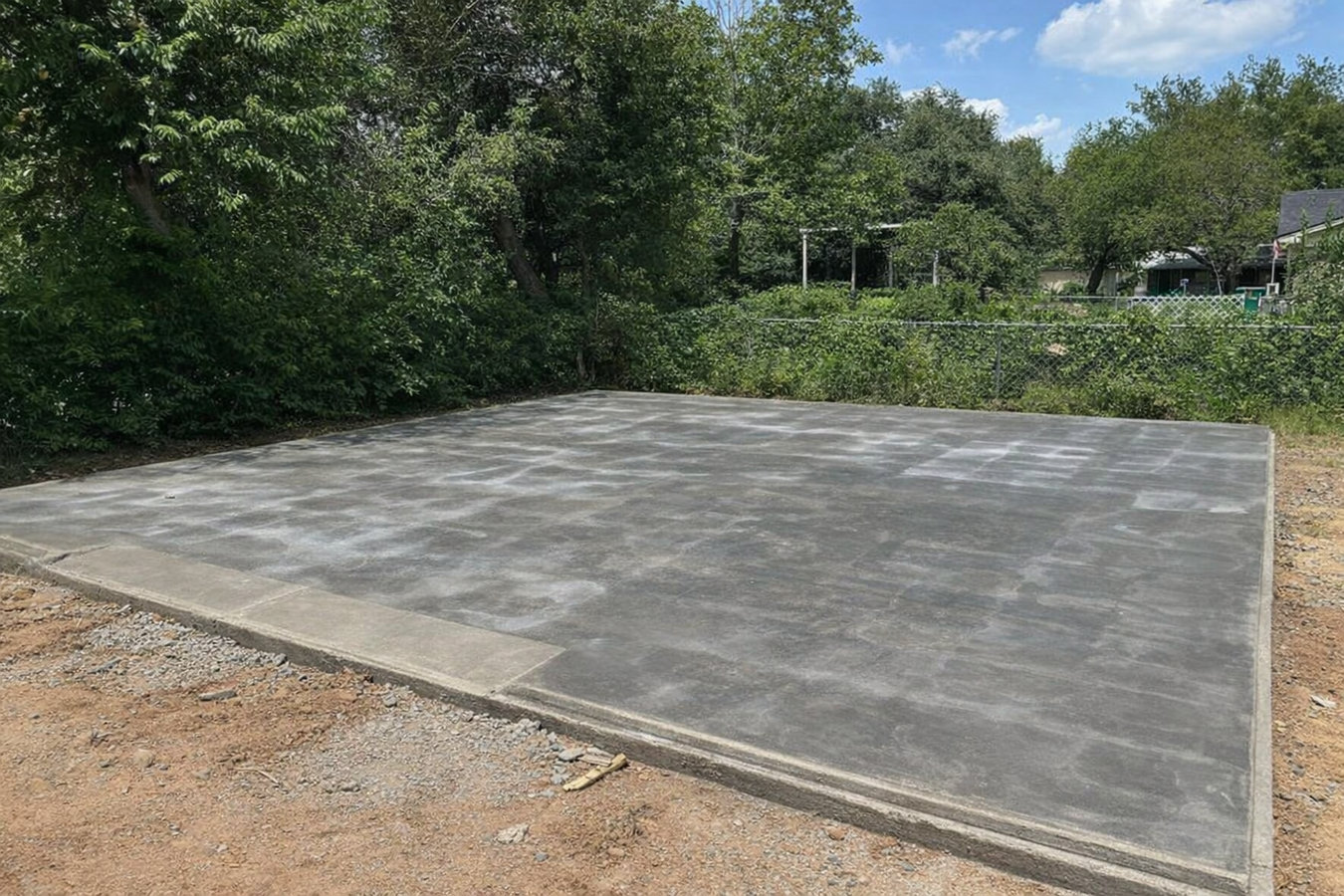
Slab foundation building in Claremont means grading and compacting the site, laying a gravel drainage base, placing steel reinforcement, and pouring a flat concrete base that carries the full load of the structure above - most residential projects take two to five days to complete the physical work, with the full permitted timeline running four to eight weeks.
Whether you are adding an accessory dwelling unit, a detached garage, or replacing a failing slab on an older home, the foundation is the part that determines whether everything built on top of it holds up for decades. Because of Claremont's clay soils and seismic requirements, a slab here needs more care in the design and prep phase than one poured in a more forgiving location. We also handle foundation installation for projects that require a raised or more complex foundation type.
We have been building slabs for Claremont homeowners since 2019 and we pull every permit, coordinate every inspection, and do not move to the next step until the previous one is signed off.
If you have a project - an ADU, a detached garage, a workshop, or a home addition - and there is currently no foundation where it needs to go, that is the most straightforward sign. Every new structure in Claremont starts with a proper slab before any framing can begin.
Small surface cracks are common and often cosmetic. But cracks wider than about a quarter-inch, cracks that run diagonally from door corners, or cracks where one side sits higher than the other suggest the slab is moving. In Claremont's clay-influenced soils, this kind of movement tends to worsen over time if left alone.
When a foundation shifts, the house frame shifts with it - and doors and windows are usually the first place you notice. If a door that used to swing freely now drags on the floor, or a window no longer latches, it is worth having a foundation professional look before the problem spreads.
Water sitting against or under a slab can erode the soil beneath it and cause settling or cracking over time. If you see standing water near your foundation after rain or heavy irrigation, that is a warning sign worth addressing before it leads to something more expensive.
Our slab foundation work covers the full scope - site assessment, permit applications, excavation, grading, gravel base installation, steel reinforcement, the pour itself, and all required city inspections. We also handle any underground plumbing or conduit work that needs to go in before the concrete. For homeowners who need a more complex foundation type, we offer full foundation installation including raised foundations and deeper footing designs.
Projects that combine foundation work with above-grade concrete structures sometimes benefit from pairing the slab with concrete footings for walls, fences, or stepped structures on the same property. We coordinate all of it so you are not managing separate contractors for different parts of the same project.
Best for homeowners adding an ADU, detached garage, or home addition on bare ground that needs a foundation before framing begins.
Suited to older Claremont homes where the existing slab is cracked, settling, or undersized for a planned conversion to living space.
Designed for homeowners converting a garage or outbuilding into a bedroom, office, or rental unit where the current floor does not meet residential standards.
Purpose-built for the accessory dwelling unit projects that California's housing laws have made more common in Claremont over recent years.
Claremont sits at the edge of the San Gabriel Valley foothills, and the soil in many neighborhoods - particularly in older areas closer to the mountains - has a significant clay content. Clay soil expands when it absorbs water and shrinks when it dries out, which puts ongoing stress on a concrete slab. Hot, dry summers followed by wet winters create a cycle of swelling and contraction that a slab not designed for local conditions will show as cracks within a few years. We assess every lot before we design the slab, and we do not skip the gravel drainage layer or the compaction phase just to move faster. Homeowners in Upland face similar soil conditions and we bring the same approach to their projects.
Claremont also sits in a seismically active region of Southern California. The building code here requires specific steel reinforcement patterns and anchor bolt placement designed to keep a structure connected to its foundation during ground movement. Every slab we pour is built to meet those requirements, and the city inspector verifies it before a yard of concrete goes in. For homeowners in neighboring La Verne, the same seismic zone and soil conditions apply, and we work there regularly as well. The City of Claremont's permit process also adds timeline you should plan for - we handle the application and inspection scheduling so you do not have to.
Describe your project - what you are building and roughly where on your property. We will respond within one business day to schedule a site visit. We do not quote firm prices over the phone without seeing the ground first.
We visit your property, assess the soil conditions and access, and give you a written estimate that covers the full scope - no surprises added later. You will know what the permit process will involve and how long it typically takes in Claremont.
We submit the permit application to the City of Claremont Building and Safety Division. Once approved, we prepare the site - excavating, grading, compacting, and laying the gravel drainage base. Any underground plumbing goes in at this stage.
We place the steel reinforcement grid, coordinate the city pre-pour inspection, and schedule the concrete truck for early morning to protect against heat. After the pour and curing period, a final inspection closes the permit and you receive clean documentation.
We handle permits, inspections, and soil preparation - no surprises, no cutting corners. Call us or send a message and we will get back to you within one business day.
(909) 788-2719We handle the City of Claremont permit application from start to finish and coordinate every required inspection - including the pre-pour steel check. You never have to chase the city or wonder where your project stands in the approval queue.
Before we design your slab, we look at what is actually under your property. Clay-heavy soils in parts of Claremont require adjusted compaction, drainage layers, and reinforcement - and we account for that in the estimate, not as an add-on after the pour has started.
Our work is performed under a California C-8 Concrete Contractor license, which is the state credential required for this type of structural work. You can verify any contractor license at the California Contractors State License Board website at{" "}cslb.ca.gov before you sign anything.
Claremont summers regularly exceed 95 degrees, and concrete that cures too fast in the heat ends up weaker than it should be. We schedule pours for early morning in warm months and use proven curing methods to protect the slab - so you get the full strength you paid for, not a compromised one.
Every slab we pour in Claremont is fully permitted, inspected, and documented - giving you a clean record for future sale or refinancing. We have been doing this work in the Inland Valley since 2019 and we stand behind every job. Verify our license at cslb.ca.gov before you hire anyone for foundation work.
Raised foundations, perimeter walls, and more complex foundation types for hillside lots or projects that need more than a flat slab.
Learn MoreIsolated footings for walls, posts, fences, and other structures that need a deep concrete anchor point below the frost line.
Learn MoreConcrete is a one-shot material - once it is poured, changes are expensive. Call us now and we will get your project planned and permitted correctly from day one.